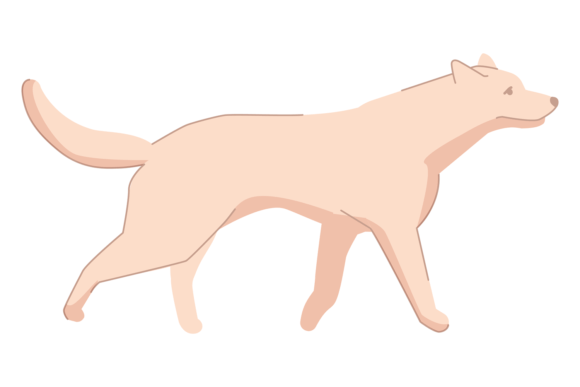
Dog Walking. Cute Pet. Domestic Animal C: A Designer's Guide
In the world of design, finding the right asset to convey a specific mood can be the difference between a project that connects and one that falls flat. When a brief calls for warmth, approachability, and a touch of playful charm, the search for the perfect visual element becomes paramount. This is where a character like Dog Walking. Cute Pet. Domestic Animal C enters the conversation. It’s more than just a simple illustration; it’s a versatile design asset with a distinct personality ready to be deployed across a multitude of creative contexts. Understanding its strengths is the first step to leveraging its full potential.
At its core, this asset is a stylized, isolated character of a domestic animal—likely a dog—captured in the act of walking. The "C" in its name might suggest it's part of a series, perhaps indicating a specific pose or stylistic variation. Visually, you can expect a clean, vector-friendly aesthetic. Think soft, rounded forms, minimal detail, and a friendly expression. The lines are likely smooth and confident, making it scalable from a tiny favicon to a large banner without losing integrity. Its personality is undeniably cute and wholesome, designed to evoke an immediate, positive emotional response. This isn't a photorealistic portrayal but a character—a friendly ambassador for any brand or project it represents.
Where This Character Truly Shines
The real-world applications for a character like Dog Walking. Cute Pet. Domestic Animal C are extensive, particularly for professionals who need to communicate trust and friendliness. Its isolated, white-background format (available in EPS, JPG, and transparent PNG) makes it a dream for compositing. A web designer could use it to guide a user's eye along a page, perhaps as a subtle mascot pointing towards a call-to-action button. For a pet-centric small business—a groomer, a boutique pet food brand, or a local dog walker—this character could become the cornerstone of their brand identity, appearing on business cards, social media profiles, and packaging.
Beyond the obvious pet industry, its charm is transferable. A financial advisor targeting young families might use it in blog post graphics to soften a complex topic. A children's book author or a publisher of educational materials would find it a perfect fit for editorial design. In social media graphics, it can stop the scroll, adding a human (or rather, animal) touch to otherwise static feeds. The key is recognizing that its value lies in its ability to add a layer of personality and approachability, making it a powerful tool in a marketer's or content creator's arsenal.
Integrating the Asset with Modern Typography
A character illustration doesn't exist in a vacuum. Its impact is heavily influenced by the typography it accompanies. Pairing Dog Walking. Cute Pet. Domestic Animal C with the right typeface is a critical design decision. For a clean, modern look, consider a simple, geometric sans serif font. This creates a pleasing contrast—the soft, organic lines of the character against the structured, human-made letters. Fonts like Poppins, Lato, or Open Sans would allow the illustration to be the primary visual focus while ensuring text remains highly legible.
Alternatively, to amplify the warmth and friendliness, a handwritten font or a gentle script font can work wonders. This pairing is ideal for personal blogs, greeting card designs, or branding for artisanal products. The goal is to create a cohesive mood. A bold, industrial serif font would likely clash, but a softer, rounded serif could provide a classic, trustworthy feel for a veterinary clinic's website. The process of font pairing here is about harmony, not hierarchy. The character and the text should feel like they belong to the same story, reinforcing the same brand message of care, fun, and reliability.
Practical Considerations for Professional Use
Before incorporating any design asset into a commercial project, a practical evaluation is non-negotiable. First, consider the licensing. Is this a premium font or illustration with a clear commercial font and asset license? Most professional stock sites offer licenses that cover a wide range of uses, but it's your responsibility to confirm it fits your specific project, whether for a client's logo design or a mass-produced product line. Assuming the license is clear, the next step is to test its versatility.
Open the transparent PNG file and place it over different colored backgrounds. Does it hold up on dark themes as well as light ones? Examine the EPS vector file. Is it well-constructed with clean paths, allowing for easy color changes to match a specific brand palette? This level of scrutiny separates a hobbyist from a professional. A truly great creative font or character asset should be flexible and robust. For a packaging design, you might need to adjust its scale and placement meticulously. For web design, optimizing the file size of the JPG or PNG is crucial for page load speed. Treating Dog Walking. Cute Pet. Domestic Animal C not as a quick clipart solution but as a strategic component of your design system will ensure it enhances, rather than detracts from, your final output's professionalism and audience engagement.