Bring Festive Magic to Life with Christmas Animal Character Illustration
There is a specific kind of visual warmth that defines the holiday season—it’s cozy, nostalgic, and undeniably playful. When creating seasonal assets, the goal isn't just to slap a snowflake on a background; it's about creating an emotional connection. This is where the Christmas Animal Character Illustration asset collection shines. It moves beyond standard typography and generic graphics to offer a suite of charming, whimsical characters that instantly evoke the spirit of the holidays. Whether you are a designer crafting a brand campaign or a hobbyist making personalized gifts, these illustrations provide the perfect blend of professional quality and heartfelt charm.
Understanding the Visual Appeal and Personality
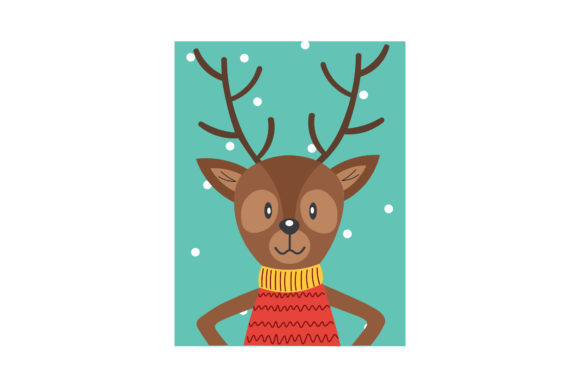
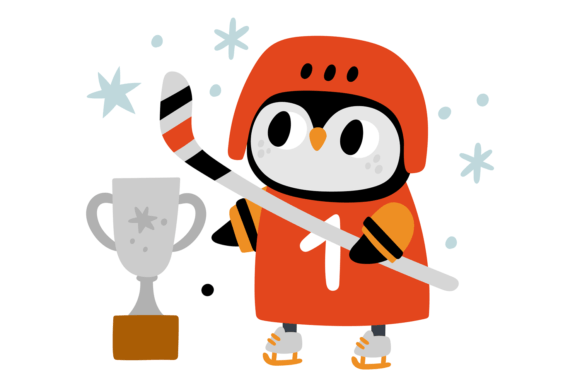
At its core, this collection is about personality. We aren't looking at sterile, corporate vector shapes. The Christmas Animal Character Illustration set features endearing creatures—think Santa-clad foxes, caroling penguins, or reindeer with oversized antlers—rendered in a style that balances detail with accessibility. The visual characteristics lean heavily into a hand-drawn aesthetic, often mimicking the look of high-end children's book illustration or modern digital painting.
The appeal lies in the "imperfect" perfection of the lines. Unlike rigid, geometric design assets, these characters have soft edges, expressive eyes, and textured fur that add depth to any project. This style acts as a bridge between modern typography and classic storytelling. It’s a creative font alternative; instead of using letters to spell out "Joy," you can visually represent it through a joyful hedgehog holding a gift. This approach is particularly effective for brand identity work where the goal is to appear approachable and fun rather than stiff and corporate.
Practical Applications: From Digital to Physical
The true value of an asset lies in its versatility. One of the strongest selling points of the Christmas Animal Character Illustration set is the inclusion of multiple file formats: AI, EPS, SVG, DXF, JPG, and PNG. This is not just a collection of static images; it is a toolkit for logo design, packaging design, and web design.
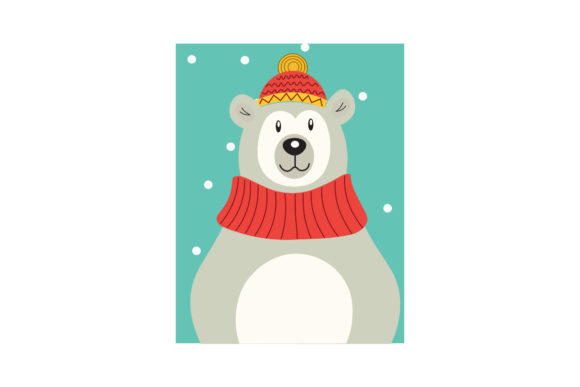
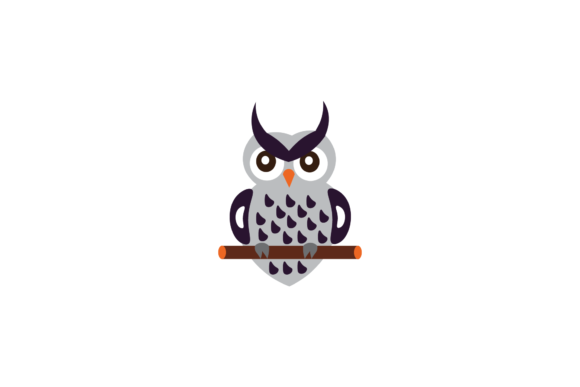
For web designers and marketers, the PNG files (with transparent backgrounds) are indispensable for social media graphics. You can overlay a cute bear on top of an Instagram story or use a festive owl as a sticker in a newsletter without worrying about clashing backgrounds. The SVG and EPS formats are the workhorses for print projects. Because they are vector-based, they can be scaled to fit a billboard or shrunk down for a business card without losing an ounce of quality.
Consider the packaging design space. If you are a small business owner selling artisanal chocolates or handmade candles, these illustrations can transform your shipping boxes and labels. Instead of generic clipart, you are using high-fidelity art that signals quality. For editorial design, such as holiday magazines or greeting cards, the Canvas Size: 1920 px X 1280 px provides a generous resolution for high-quality printing, ensuring that the textures remain crisp even on heavy cardstock.
Influence on Brand Perception and Audience Engagement
Visuals drive emotion faster than text. In the crowded holiday market, a consumer decides within milliseconds whether a product feels "festive" or "cheap." By integrating the Christmas Animal Character Illustration into your visual hierarchy, you are leveraging a psychological shortcut. Animals are universally liked; they trigger empathy and curiosity.
For entrepreneurs and brand strategists, consistency is key. If you are running a holiday campaign, using these characters across your web design, email headers, and physical mailers creates a cohesive narrative. This consistency builds recognition. A customer might not remember the specific wording of your holiday sale, but they will remember the charming fox that guided them through the checkout process.
Furthermore, these illustrations help with readability and visual flow. In a busy layout, a block of text can be intimidating. Placing a character illustration to the side acts as a visual anchor, drawing the eye and breaking up the monotony of text-heavy pages. It creates a resting point for the reader, making them more likely to engage with your content. This is a subtle but powerful way to improve user experience without redesigning your entire typeface or layout structure.
Integration with Typography and Design Assets
A great illustration is only as good as the typography that accompanies it. The whimsical nature of the Christmas Animal Character Illustration pairs exceptionally well with specific types of fonts. Because the illustrations are detailed and playful, they often clash with highly technical or geometric sans serif fonts.
Instead, consider pairing these assets with a handwritten font or a script font. The flowing, organic nature of a script font complements the curves of the animal characters, creating a harmonious visual experience. If you need to maintain a level of professionalism for body text, a softer serif font works well to ground the design. Avoid rigid, ultra-modern display fonts unless the contrast is intentional and extreme.
Think of the illustration as the main actor and the font as the supporting cast. The font should not scream for attention but rather guide the viewer's eye from the image to the message. This synergy creates a professional brand identity that feels curated rather than assembled.
Making the Right Choice for Your Project
Before integrating these assets, it is worth taking a moment to evaluate the fit for your specific project scope. First, look at the canvas size. At 1920 px X 1280 px, these are landscape-oriented, making them ideal for website hero banners, YouTube thumbnails, or wide-format prints. If your primary output is vertical (like an Instagram Story or a tall pamphlet), you will need to crop or arrange the elements carefully.
Second, consider the commercial licensing. If you are a crafter or hobbyist making items for a local craft fair, the requirements differ from a publisher mass-producing merchandise. Always ensure the license covers your intended use, particularly if you plan to sell the physical goods featuring the illustrations.
Finally, test the file formats. Open the AI or EPS file in your preferred vector editing software. Check how the layers are organized. Can you change the color of the scarf? Can you remove the background easily? A high-quality premium font or asset set will give you this flexibility, allowing you to customize the characters to match your specific color palette. By treating these illustrations as design assets